Maximizing ROI with HR Software Compliance Audit and Technology System Audits
- PJ K
- Apr 13
- 4 min read

In today’s fast-paced business environment, companies with global or multi-state HR operations face complex challenges managing their human resources information systems (HRIS). Ensuring these systems are compliant, efficient, and secure is critical to maximizing return on investment (ROI). Conducting thorough HR software compliance audits and technology system audits can uncover hidden inefficiencies, reduce risks, and streamline HR processes. This article explores how organizations can leverage these audits to optimize their HR technology investments and achieve operational excellence.
Understanding the Importance of HR Software Compliance Audit
HR software compliance audits are essential for companies operating across multiple jurisdictions. These audits verify that HR systems adhere to local labor laws, data privacy regulations, and internal policies. Non-compliance can lead to costly fines, legal disputes, and damage to reputation.
A compliance audit typically involves:
Reviewing system configurations against regulatory requirements
Checking data security protocols and access controls
Validating employee data accuracy and completeness
Assessing integration with payroll, benefits, and time-tracking modules
For example, a company with employees in California and New York must ensure its HRIS complies with both states’ unique labor laws, such as wage and hour rules or leave entitlements. A compliance audit helps identify gaps and implement corrective actions before issues arise.
Benefits of HR software compliance audits include:
Mitigating legal and financial risks
Enhancing data security and privacy
Improving employee trust and satisfaction
Streamlining HR workflows and reporting

Key Steps in Conducting an Effective HR Software Compliance Audit
To maximize ROI, audits must be systematic and thorough. Here are the key steps companies should follow:
Define Audit Scope and Objectives
Determine which HR modules, locations, and compliance areas will be reviewed. Clear objectives help focus efforts on high-risk areas.
Gather Documentation and Policies
Collect relevant policies, system manuals, and regulatory guidelines. This provides a benchmark for evaluating compliance.
Perform System and Data Review
Analyze system settings, user roles, and data records. Look for inconsistencies, outdated information, or unauthorized access.
Interview Key Stakeholders
Engage HR, IT, and legal teams to understand processes and challenges. Their insights can reveal hidden risks or inefficiencies.
Identify Gaps and Risks
Document non-compliance issues, data integrity problems, and security vulnerabilities.
Develop Action Plan
Prioritize remediation steps with timelines and responsible parties. Include training and system updates as needed.
Monitor and Follow-up
Schedule regular audits and continuous monitoring to maintain compliance over time.
By following these steps, companies can ensure their HR technology supports compliance and operational goals effectively.
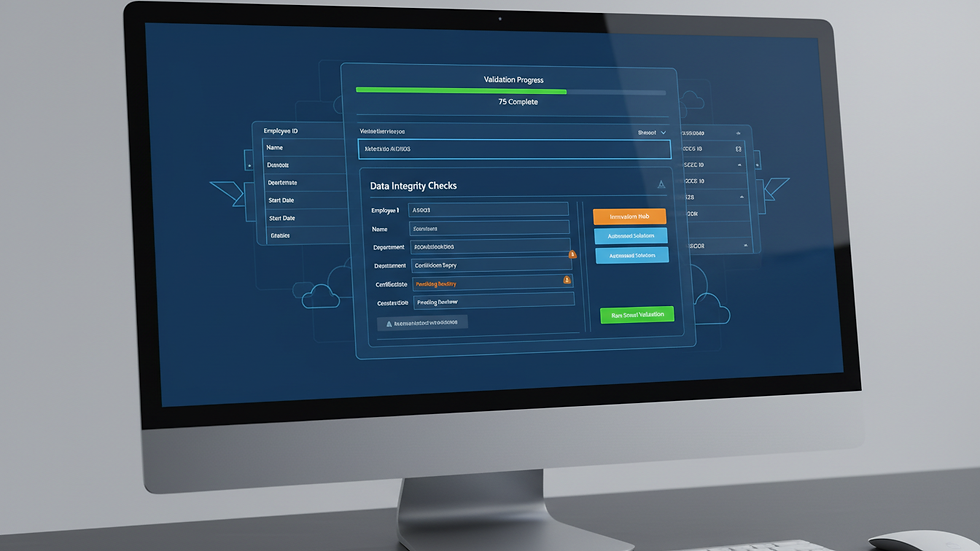
How to Ensure Data Integrity in HRIS?
Data integrity is the foundation of reliable HR systems. Without accurate and consistent data, compliance audits and decision-making become ineffective. Here are practical ways to maintain data integrity in HRIS:
Implement Validation Rules
Use system controls to prevent incorrect or incomplete data entry. For example, require mandatory fields and format checks.
Regular Data Cleansing
Schedule periodic reviews to identify and correct duplicate, outdated, or erroneous records.
Access Controls and Permissions
Limit data editing rights to authorized personnel only. Track changes with audit logs.
Employee Self-Service Portals
Allow employees to update personal information directly, reducing errors from manual HR input.
Integration with Other Systems
Ensure seamless data flow between payroll, benefits, and time management systems to avoid discrepancies.
Training and Awareness
Educate HR staff on the importance of data accuracy and compliance requirements.
Conducting a thorough hris data integrity audit can help identify weaknesses and implement best practices to safeguard data quality.
Leveraging Technology System Audits to Optimize HR Operations
Beyond compliance, technology system audits evaluate the overall performance and efficiency of HR software. These audits focus on:
System usability and user experience
Integration capabilities with other enterprise applications
Scalability to support business growth
Cost-effectiveness and licensing compliance
Security posture and vulnerability management
For example, an audit might reveal that an outdated HRIS module slows down payroll processing or lacks mobile access, impacting employee satisfaction. Addressing these issues can improve productivity and reduce operational costs.
Actionable recommendations from technology system audits include:
Upgrading or replacing legacy systems
Automating manual HR tasks
Enhancing reporting and analytics capabilities
Strengthening cybersecurity measures
Negotiating better vendor contracts
By continuously auditing and optimizing HR technology, companies can maximize ROI and maintain a competitive edge.
Best Practices for Sustaining Compliance and ROI in HR Technology
To ensure long-term success, companies should adopt these best practices:
Establish a Governance Framework
Define roles, responsibilities, and policies for HR technology management.
Schedule Regular Audits
Conduct compliance and system audits at least annually or after major updates.
Invest in Training
Keep HR and IT teams informed about regulatory changes and system features.
Use Data Analytics
Monitor key performance indicators (KPIs) to detect anomalies and improve decision-making.
Engage External Experts
Consider third-party audits for unbiased assessments and industry insights.
Document Everything
Maintain detailed records of audit findings, remediation actions, and compliance status.
Implementing these practices helps companies avoid costly legal issues and maximize the value of their HR technology investments.
Driving Operational Excellence with HR Technology Audits
Maximizing ROI from HR technology requires a proactive approach to compliance and system performance. HR software compliance audits and technology system audits provide the insights needed to identify risks, improve processes, and enhance data integrity. By prioritizing these audits, companies with complex HR operations can simplify their systems, reduce costs, and achieve operational excellence.
Investing time and resources into regular audits is not just about avoiding penalties - it is about empowering HR teams with reliable tools and data to support strategic workforce management. With the right audit strategy, businesses can confidently navigate the complexities of global HR compliance and technology challenges, unlocking the full potential of their HRIS investments.


Comments