Utilizing HR Compliance Synchronization Tools for Streamlined Global Operations
- PJ K
- May 4
- 4 min read

In today’s fast-paced business environment, companies with global or multi-state HR operations face a complex web of compliance requirements. Navigating these regulations efficiently is critical to avoid costly legal issues and maintain operational excellence. HR compliance synchronization tools have emerged as essential solutions to help organizations manage these challenges seamlessly. This article explores how these tools can transform HR compliance management, with a focus on practical strategies and actionable insights.
Understanding the Importance of HR Compliance Synchronization Tools
Managing HR compliance across multiple jurisdictions involves tracking diverse labor laws, tax regulations, and employee rights. Without a centralized system, companies risk non-compliance, which can lead to fines, legal disputes, and reputational damage. HR compliance synchronization tools provide a unified platform to:
Consolidate compliance data from various regions
Automate updates on regulatory changes
Streamline reporting and audit processes
Enhance data accuracy and reduce manual errors
For example, a multinational company operating in the US, Canada, and Europe can use these tools to monitor each region’s specific labor laws and ensure that employee contracts, benefits, and payroll comply with local standards. This reduces the administrative burden on HR teams and allows them to focus on strategic initiatives.
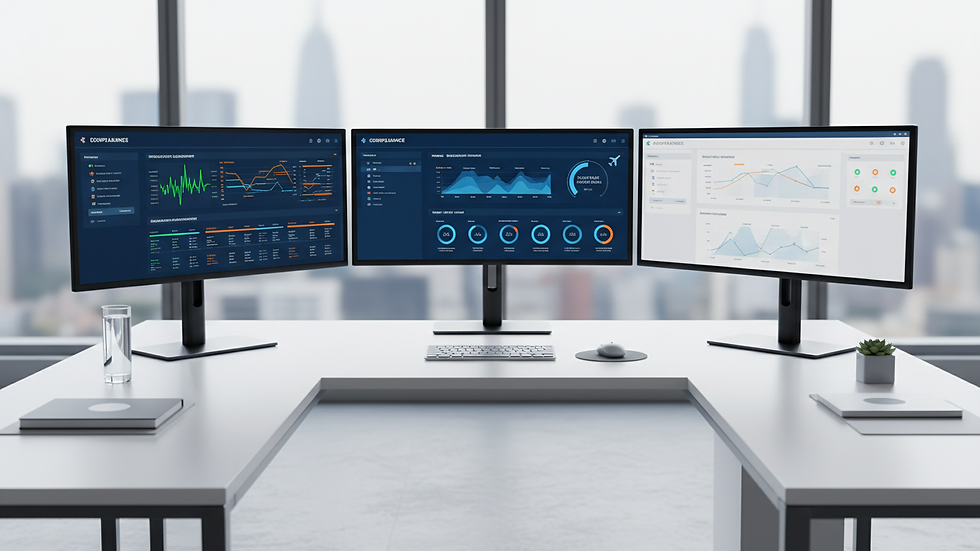
Key Features to Look for in HR Compliance Synchronization Tools
When selecting an HR compliance synchronization tool, it is essential to consider features that align with your company’s operational needs and compliance complexity. Here are some critical features to prioritize:
Real-Time Regulatory Updates
The tool should provide automatic updates on changes in labor laws, tax codes, and employment regulations across all relevant jurisdictions.
Centralized Data Management
A single platform to store and manage employee records, compliance documents, and audit trails ensures consistency and easy access.
Customizable Compliance Workflows
Ability to tailor workflows to specific compliance requirements, such as background checks, certifications, and training renewals.
Integration Capabilities
Seamless integration with existing HRIS, payroll, and legal management systems to avoid data silos.
Audit and Reporting Tools
Generate comprehensive reports for internal audits and regulatory submissions with minimal manual effort.
User Access Controls
Role-based permissions to protect sensitive employee data and ensure compliance with privacy laws.
By focusing on these features, companies can select tools that not only simplify compliance management but also enhance overall HR operational efficiency.
How to Implement HR Compliance Synchronization Tools Effectively
Implementing HR compliance synchronization tools requires a strategic approach to maximize benefits and minimize disruption. Follow these steps for a successful rollout:
1. Conduct a Compliance Needs Assessment
Evaluate your current compliance challenges, regulatory environments, and HR processes. Identify gaps and areas where automation can add value.
2. Engage Stakeholders Early
Involve HR, legal, IT, and finance teams in the selection and implementation process to ensure the tool meets cross-functional requirements.
3. Develop a Clear Implementation Plan
Outline timelines, milestones, and responsibilities. Include data migration, system integration, and user training.
4. Train HR Teams Thoroughly
Provide comprehensive training sessions and resources to ensure users understand how to leverage the tool’s features effectively.
5. Monitor and Optimize
Regularly review compliance reports and user feedback to identify areas for improvement and ensure the tool adapts to evolving regulatory landscapes.
For instance, a company expanding into new states can use this approach to integrate compliance synchronization tools smoothly, ensuring all new hires meet local legal requirements without delay.
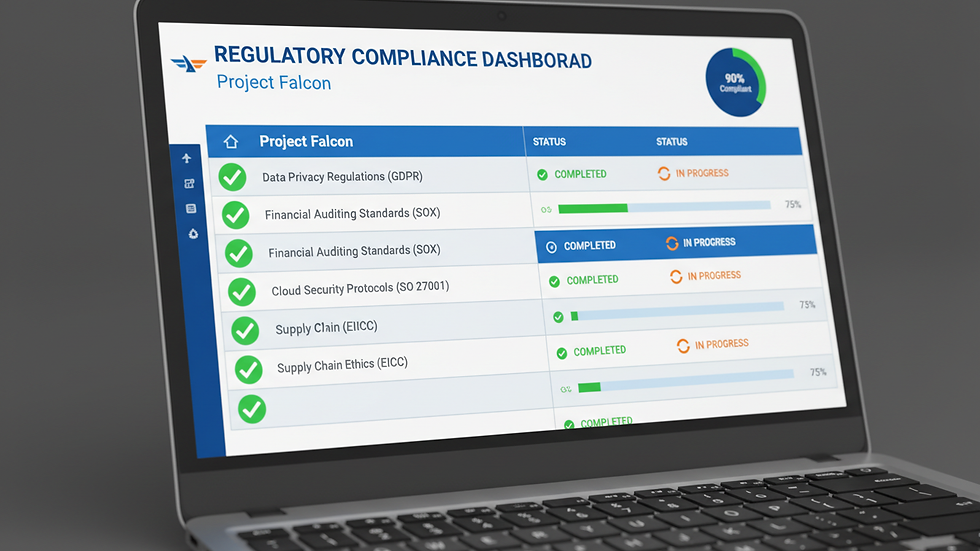
Leveraging Checkr Compliance Sync for Enhanced HR Compliance
One notable solution in this space is Checkr Compliance Sync, which offers a robust platform designed to simplify compliance management for companies with complex HR operations. This tool automates background check compliance, monitors regulatory changes, and synchronizes data across multiple jurisdictions.
By integrating Checkr Compliance Sync, organizations can:
Reduce manual compliance tracking through automation
Ensure consistent adherence to local and federal regulations
Improve audit readiness with real-time data synchronization
Enhance candidate screening processes while maintaining compliance standards
This integration helps companies maintain a high level of compliance without sacrificing operational speed or accuracy, making it an invaluable asset for global HR teams.
Best Practices for Maintaining Compliance with HR Synchronization Tools
To get the most out of HR compliance synchronization tools, companies should adopt best practices that promote ongoing compliance and operational excellence:
Regularly Update Compliance Policies
Use the tool’s insights to keep internal policies aligned with the latest regulations.
Schedule Periodic Audits
Conduct routine audits using the tool’s reporting features to identify and address compliance gaps proactively.
Maintain Clear Documentation
Ensure all compliance activities and decisions are well-documented within the system for transparency and accountability.
Foster a Compliance Culture
Encourage HR teams and management to prioritize compliance through training and communication.
Leverage Analytics
Use data analytics provided by the tool to identify trends, risks, and opportunities for process improvement.
By embedding these practices into daily operations, companies can safeguard against compliance risks and support sustainable growth.
Preparing for Future Compliance Challenges with Technology
As regulatory environments continue to evolve, companies must stay ahead by adopting advanced HR compliance synchronization tools. Emerging technologies such as artificial intelligence and machine learning are increasingly integrated into these platforms to predict compliance risks and automate complex decision-making.
Investing in scalable and adaptable tools ensures that HR teams can respond quickly to new laws, cross-border regulations, and industry-specific requirements. This proactive approach not only reduces legal exposure but also enhances employee trust and organizational reputation.
By embracing technology-driven compliance solutions, companies position themselves for long-term success in a dynamic global marketplace.


Comments