Why Your Business Needs Global HR Tools
- PJ K
- May 11
- 3 min read

In today’s fast-paced and interconnected world, businesses are no longer confined to local markets. Expanding operations across borders brings exciting opportunities but also complex challenges, especially in managing human resources. For small and medium-sized businesses aiming to grow in sectors like technology, government, and airlines, adopting global HR tools is essential. These tools help centralize and streamline HR functions, ensuring compliance and boosting workforce efficiency.
The Importance of Global HR Tools for Your Business
Managing a workforce that spans multiple countries requires more than traditional HR methods. Different labor laws, cultural expectations, and payroll systems can create confusion and risk. Global HR tools provide a unified platform to handle these complexities seamlessly.
By integrating recruitment, onboarding, payroll, benefits administration, and compliance monitoring into one system, businesses can:
Reduce administrative burden: Automate repetitive tasks and minimize manual errors.
Ensure legal compliance: Stay updated with local labor laws and tax regulations.
Enhance employee experience: Provide consistent communication and support regardless of location.
Gain strategic insights: Use data analytics to make informed workforce decisions.
For example, a technology company hiring engineers in multiple countries can use global HR tools to manage contracts, track work hours, and handle payroll in local currencies without juggling multiple software systems.
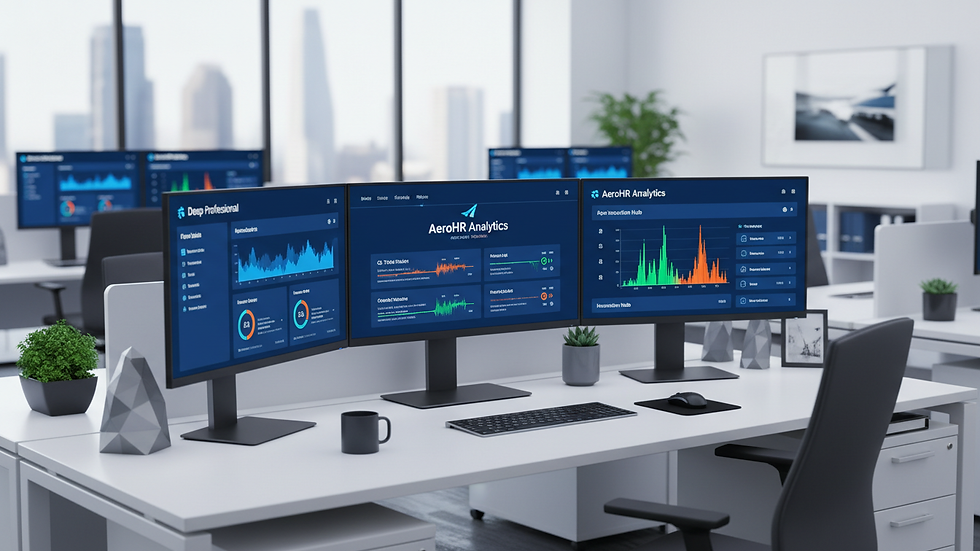
How Global HR Tools Improve Compliance and Efficiency
Compliance is a major concern for businesses operating internationally. Each country has unique rules about employment contracts, benefits, taxes, and reporting. Failure to comply can lead to fines, legal disputes, and damage to reputation.
Global HR tools help by:
Automating compliance checks: Systems update automatically with new regulations.
Standardizing documentation: Templates and workflows ensure consistency.
Tracking deadlines and filings: Alerts prevent missed submissions.
Providing audit trails: Records of all HR activities support transparency.
Efficiency gains come from reducing manual data entry and enabling HR teams to focus on strategic initiatives rather than administrative tasks. For instance, an airline company managing crew schedules across continents can use these tools to optimize staffing while adhering to local labor laws.
What are examples of global HR solutions?
Understanding the types of global HR solutions available can help businesses choose the right fit. Some common examples include:
Global Payroll Systems
These platforms handle multi-currency payments, tax deductions, and compliance with local payroll laws. They simplify paying employees worldwide on time and accurately.
Talent Acquisition Platforms
Tools that support international recruitment by managing job postings, applicant tracking, and onboarding processes tailored to different countries.
Employee Self-Service Portals
Allow employees to access pay slips, benefits information, and request time off, improving transparency and reducing HR inquiries.
Compliance Management Software
Monitors changes in labor laws and automates compliance reporting to avoid penalties.
Workforce Analytics Tools
Provide insights into employee performance, turnover rates, and diversity metrics across regions to inform strategic decisions.
By leveraging these solutions, businesses can create a cohesive HR ecosystem that supports growth and operational excellence.
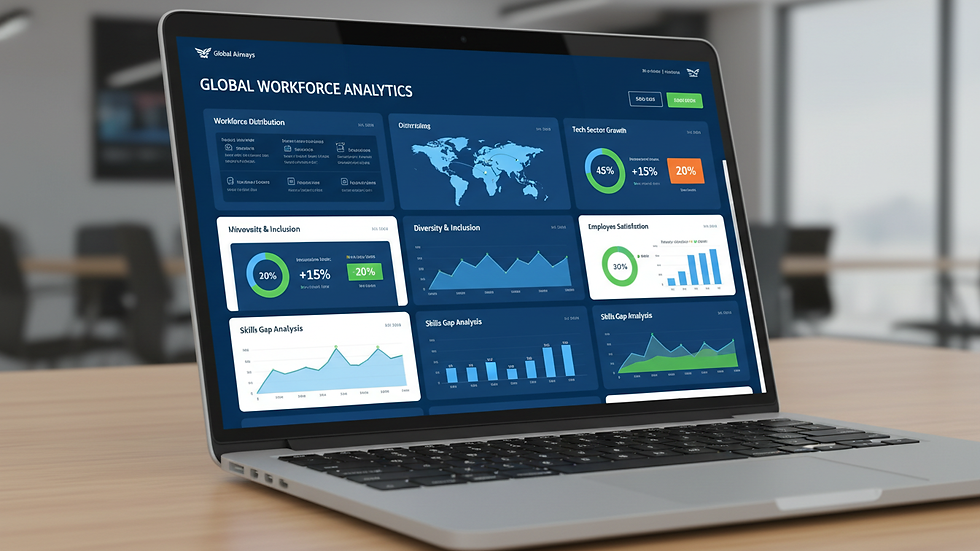
Practical Steps to Implement Global HR Tools
Implementing global HR tools requires careful planning and execution. Here are actionable recommendations:
Assess your current HR processes: Identify pain points and areas needing improvement.
Define your business needs: Consider the number of countries, employee types, and compliance requirements.
Choose scalable solutions: Select platforms that can grow with your business and integrate with existing systems.
Train your HR team: Ensure staff understand how to use new tools effectively.
Communicate with employees: Explain benefits and provide support during the transition.
Monitor and optimize: Regularly review system performance and user feedback to make improvements.
For example, a government contractor expanding into new states can start by mapping out compliance differences and then selecting a global HR tool that offers localized support and reporting.
The Future of Workforce Management with Global HR Tools
As businesses continue to expand globally, the demand for integrated HR platforms will only increase. Future trends include:
Artificial intelligence and automation: Enhancing recruitment, performance management, and employee engagement.
Mobile-first solutions: Allowing employees and managers to access HR services anytime, anywhere.
Advanced analytics: Providing predictive insights to anticipate workforce needs and risks.
Enhanced security: Protecting sensitive employee data across borders.
Investing in these technologies today positions businesses to stay competitive and agile in a rapidly evolving market.
By adopting global hr solutions, companies can build a comprehensive and integrated human resources platform that centralizes all HR functions. This approach not only improves efficiency and compliance but also empowers leaders with strategic insights to manage their workforce effectively.
Embracing global HR tools is no longer optional for businesses aiming to thrive internationally. It is a strategic necessity that drives operational excellence and supports sustainable growth.


Comments